
Current Students
The 2026-2027 cohort comprises 21 students from 17 countries.
Javokhir Abdukhalikov, Uzbekistan
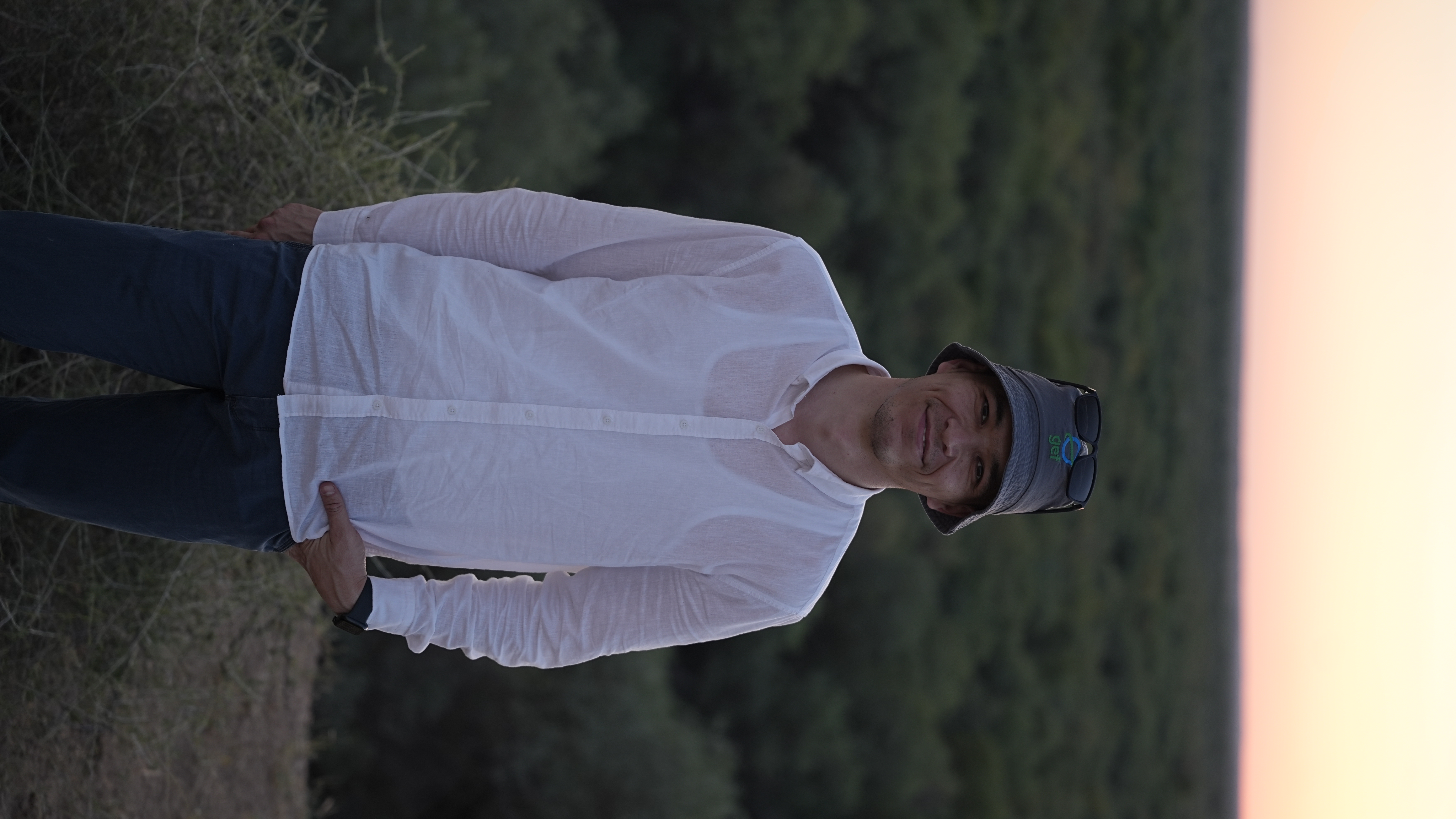
I joined the Ministry of Environment of Uzbekistan as a specialist in international relations. Working in this field quickly became more than just a profession, it sparked a genuine interest in biodiversity conservation and the role of international cooperation in addressing global environmental challenges, despite the fact that my academic background is not in environmental sciences. I work on international environmental policy, resource mobilization and the implementation of grant projects supporting biodiversity conservation, protected areas and climate resilience. I also serve as the national focal point for the Convention on the Conservation of Migratory Species (CMS) and the Global Environment Facility (GEF). Over the past few years, I have contributed to facilitating Uzbekistan's accession to IUCN as a Member State and the opening of the IUCN Regional Office for Central Asia in Tashkent. I have been one of the key members of the teams organizing major international events, including CMS COP14, the Samarkand International Climate Forum, CITES COP20, the Eighth GEF Assembly and Eco Expo Central Asia. As an alumnus of the Klaus Töpfer Fellowship Programme, I now hope to further strengthen my conservation leadership through the MPhil at Cambridge, combining my policy experience with conservation science to help translate global environmental commitments into effective action in Uzbekistan and across Central Asia.
Mabel Agba, Ghana
I hold a Bachelor’s degrees in Social Sciences (Economics & Mathematics) from the University of Cape Coast in Ghana. I have also done several short courses including Managing for Sustainable Development Impact at the Wageningen University in the Netherlands, Market-based Approaches to Conservation with the Kinship Foundation (Kinship Conservation Fellowship Program) at the Western Washington University in the USA as well as a French Language course at the University of Caen in France. I have over a decade of professional experience in the management and coordination of projects in community development, pro-biodiversity value chains and Community-Based Natural Resource Management (CBNRM). My passion lies at the intersection of environment and sustainable development and I love being in nature, relaxing and appreciating the beautiful scenery of green and wild spaces. I am pursuing an MPhil in Conservation Leadership to enhance my competencies in that field and be better equipped to address the environmental challenges facing my country, Ghana, and to drive sustainable transformations by working with conservation organizations in accelerating community-led resources management in Africa.
Kayla Alewel, United States
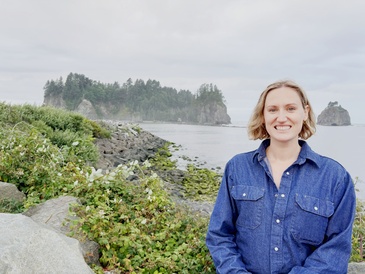
Despite growing up in the American Midwest, I developed an early connection to the ocean through family trips to the coast, books on marine life, and learning to scuba dive at a local pool. I built my career in New York around storytelling—first in journalism and later in marketing and brand strategy. While leading brand strategy for SpongeBob SquarePants, my passion for ocean conservation found a professional outlet. I helped develop a global conservation and sustainability initiative focused on reducing plastic pollution and inspiring the next generation of ocean stewards. That experience reinforced my belief that effective conservation depends not only on sound science, but also on the ability to engage audiences, influence behavior, and forge partnerships across sectors. As I transition my career toward impact driven work, I am eager to apply my expertise in communications, brand strategy, and stakeholder engagement to protect and restore marine ecosystems. This program represents an opportunity to deepen my understanding of conservation while strengthening my ability to show organizations that environmental impact and business success can advance together.
Isobel Bender, Australia
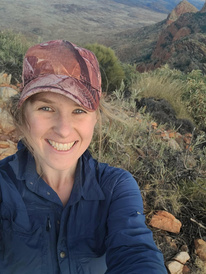
Ten years ago, while reflecting on the scale of environmental degradation with my dad, he asked me a simple question: "What can we do?" After feeling frustrated and helpless, I realised my answer wasn't simply to restore ecosystems, but to help people believe that change is possible. That conversation has shaped every decision I've made since. I have deliberately worked across the environment sector to understand what enables lasting restoration. My work has led me from supporting farmers transitioning to regenerative agriculture, helping a campaign to restore a river, working with park managers to adapt conservation to climate change, building and mentoring a First Nations Bush Crew to deliver on-ground restoration projects, contributing to national environmental policy reform, to helping develop landscape-scale restoration initiatives. These experiences have shown me that lasting restoration begins with people. My passion lies in creating the conditions for communities and First Nations peoples to lead long-term stewardship through strong governance, partnerships and investment. I am excited to join the MPhil in Conservation Leadership to learn alongside a global cohort and deepen my understanding of systems leadership, conservation finance and collaborative governance. I hope to return to Australia better equipped to help build partnerships that restore ecosystems, while empowering the communities who care for them.
Harshal Bhosale, India
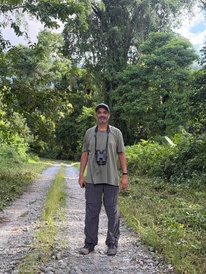
My path into ecology began on the lateritic plateaus and forests of the Western Ghats, where reptiles, rocks, streams and local communities became my first teachers. As a young naturalist rescuing snakes, I learned that conservation is not abstract; it begins with understanding species closely, reading landscapes patiently and respecting the people who share those landscapes. That lesson has shaped my 13-year journey as an Indian ecologist working across academic research, NGOs and the private sector in India and the Middle East. I have published over 25 peer-reviewed papers and contributed to the discovery and description of more than 15 species, but these achievements have always pointed me towards a larger question: how can ecological knowledge lead to conservation action? I now work where conservation decisions are tested in real time: in renewable energy, infrastructure and development landscapes where biodiversity evidence, community realities and development pressures meet. Through the MPhil in Conservation Leadership, I aim to strengthen my ability to move between field science, policy, partnerships and people, helping turn evidence into lasting conservation action on the ground.
Simbarashe Chatikobo, Zimbabwe
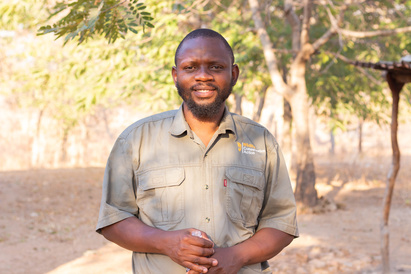
Growing up in rural Zimbabwe, I developed an early appreciation for the close relationship between people and wildlife. This interest led me to pursuing a career in conservation, where I have spent more than a decade working at the interface of biodiversity conservation and rural community development. I hold an undergraduate degree in Animal and Wildlife Sciences from Midlands State University, a postgraduate diploma in International Conservation Practice from University of Oxford and several professional certifications. I currently serve as the Senior Programs Officer at Wildlife Conservation Action where I lead a team of over 45 in the design and implementation of community-led conservation initiatives across the Zambezi valley, in the western part of Zimbabwe. Here, we focus on reducing human-wildlife conflict through practical, locally driven solutions that strengthen coexistence while improving community livelihoods. Ijoined the MPhil in Conservation Leadership to strengthen my leadership skills and broaden my understanding of how conservation can deliver lasting benefits for both people and nature. After Cambridge, I hope to continue advancing community-led conservation across Africa by supporting locally led institutions, influencing conservation policy, and developing scalable approaches that enable communities and wildlife to thrive together.
Seph Choma, Tanzania
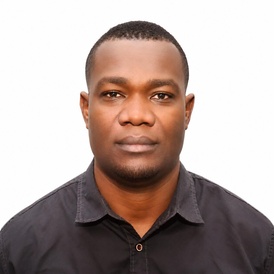
I am a Tanzanian conservation professional with over a decade of experience managing some of Africa’s most iconic ecosystems. I hold a Bachelor of Science in Wildlife Management from Sokoine University of Agriculture and have built my conservation career through extensive field and management experience with the Tanzania Wildlife Management Authority (TAWA) in Selous Game Reserve and Tanzania National Parks (TANAPA) in Nyerere and Serengeti National Parks. I previously served as a Park Ecologist in Serengeti National Park and currently work as a Project Leader and Park Ecologist in Nyerere National Park, where I lead an €8.3 million donor-funded conservation project aimed at strengthening biodiversity protection and protected area management. My role includes leading the implementation of management plans, coordinating habitat management interventions, and fostering collaboration among local communities, government institutions, donors and conservation partners. While my leadership experience has largely been developed through practice, I am keen to strengthen my skills in strategic leadership, communication and systems thinking through formal leadership training. I am pursuing an MPhil in Conservation Leadership to further develop my ability to bridge science, policy and society, address complex biodiversity challenges and drive lasting conservation impact.
Louise D’Aspremont Lynden, Belgium
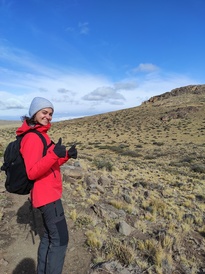
Born and raised in Belgium, my passion for nature began through the Scouts and grew through my studies, travels, and volunteering experiences in India and Argentina. With a background in International Business, I developed a strong interest in circular economy models and environmental issues, which gradually shaped my professional ambitions. Over the past years, I worked at Telos Impact, a Brussels-based philanthropy and impact investing consulting firm, where I advised private foundations on supporting forest and ocean conservation projects, including land acquisition with Natagora in Belgium, biodiversity credits with Blue Marine Foundation in the UK, and marine protected areas with WWF in Greece. I helped ensure philanthropic resources were deployed effectively while building trusted relationships with donors and beneficiaries. Through this work, I became particularly passionate about nature conservation with a desire to gain hands-on experience. In 2025, I spent three months volunteering with Rewilding Argentina, where I discovered both the effectiveness of conservation methods and its multidisciplinary aspect. Being in the field was eye-opening and confirmed my desire to work more closely on conservation. Today, I want to build on my experience in business and philanthropy by deepening my knowledge of conservation and contributing actively to the protection and restoration of nature.
Gustavo de Carvalho Figueirôa, Brazil

I am a Brazilian biologist, conservationist, and science communicator. My work centres on the Pantanal, the world's largest tropical wetland. I hold a BSc in Biology and postgraduate specialisations in Wildlife Management and Conservation and in Public Communication of Science. My path began with jaguar fieldwork before I moved into communication, convinced that translating science into stories was one of the greatest bottlenecks to conservation impact. From 2015 to 2017 I managed urban parks for the City of São Paulo, coordinating a team of 124 and helping create the Anhanguera Wildlife Refuge. In 2018 I co-founded GreenBond, a conservation communications agency. Since 2019 I have worked with the SOS Pantanal Institute, where I serve as Director of Communication and Engagement, leading communication during the catastrophic 2020 wildfires, in advocacy that shaped the Pantanal Sul Law, and in road-ecology and human-wildlife conflict campaigns. I have encountered wildlife from South Africa to the Himalayas, Patagonia, and Indonesia, and believe effective conservation leadership combines deep local roots with a global perspective.
Martín Hurtado Izquierdo, Chile
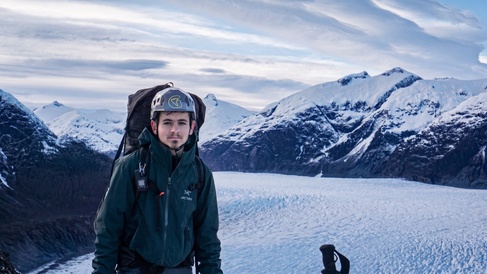
My path into conservation began by exploring Chile's wild places: a solo 1,012 km traverse of the Andes on foot and expeditions across the Patagonian Ice Fields, including the first ascent of a remote peak. Those journeys taught me to read the territory, not only its beauty and fragility, but the people who live in its most remote places, and how often protection exists on a map but lacks presence on the ground. I trained as an architect at the Pontificia Universidad Católica de Chile and gradually found in design a practical way to care for these places. Over the past six years I have worked at Outlife, where I have led the implementation of more than ten parks and conservation areas across public, private and community-led initiatives — from Parque Pirinel on Mocho-Choshuenco Volcano to Explora's Conservation Reserve in Torres del Paine — managing multidisciplinary teams and construction in remote, off-grid landscapes. I also collaborate with Fundación Geoparque Pillanmapu in the central Andes, supporting its UNESCO Global Geopark candidacy, and with the Cañicura Conservation Area in Biobío, combining ecological restoration with community-based management. My work focuses on turning conservation into something tangible: places that protect biodiversity while bringing people closer to nature. Through the MPhil I hope to bridge design, governance and finance, and return to Chile as it builds its new Biodiversity and Protected Areas Service, to implement protected areas rooted in their territories and communities.
John Kiongo, Kenya
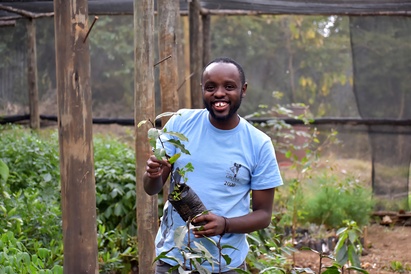
Kenya's conservation story is often told through parks, reserves, conservancies and large programs. Most of my work has been with the small community groups restoring land and protecting wildlife on very limited resources, the side that is less visible. One of the group leaders I work with does not want to plant a thousand trees so that a report can say they were planted. He would rather plant ten endemic trees that survive. What he does not have is a way into the funding system, because proposals are written in a language nobody taught him. That is the gap I want to keep dedicating my career to. I hold a degree in Environmental Resource Management and have spent six years at the Laikipia Wildlife Forum, managing grants for community groups, coordinating forest, rangeland and riverbank restoration, and overseeing the organization's communications. I also co-founded EcoPhilia Kenya, a youth-led organization working across Laikipia and Nyeri on ecological restoration, conservation education, sustainable livelihoods and human-wildlife coexistence. At Cambridge, I want to strengthen my ability to communicate, lead and influence at a wider level, grow EcoPhilia into something lasting and far-reaching, and better understand the policy processes that determine whose priorities get funded.
Majel Kong, Cambodia
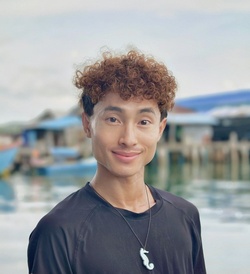
I was born and raised in Beanteay Meanchey, a northwestern province of Cambodia. I earned my B.A. in environmental studies from Lewis & Clark College, Portland, Oregon, United States. A United World College (UWC) alumnus (2007-09) and a Davis UWC scholar (2009-13), I have studied and lived in the US, Hong Kong and Beijing, and spent the early part of my career working across rural Cambodia in public health, including drug-resistant malaria elimination with Doctors Without Borders – Belgium and water, sanitation and hygiene (WASH) with the now-closed WaterSHED – Asia. Beginning in 2021, I joined the conservation sector with Fauna & Flora Cambodia. In my recent role there as a marine-plastics research specialist, I led research projects to establish Cambodia’s first empirical baseline and national action plan for marine litter and plastic pollution, and facilitated on-ground implementations of targeted solutions such as the first women-led community initiative in coastal Cambodia to ever upcycle fishing-net and plastic wastes into marketable products. Among my conservation-related interests are formation of locally-led conservation, environmental stewardship, interdisciplinary research and community-based participatory intervention, and impact assessment. When not working, you can find me delighting in outdoor walking, reading, writing, or plugging away at my lately acquired skill (swimming).
Stella Loronyokwe, Kenya
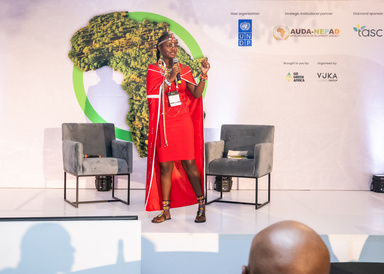
I am a conservation scientist and Indigenous advocate from Northern Kenya's Samburu community, with a BSc in Wildlife Enterprise and Management from Egerton University. With nearly a decade of experience spanning community conservation across Kenya's rangelands to global carbon market governance, I bring both field grounding and policy depth to my work. Most recently, I worked with the Integrity Council for the Voluntary Carbon Market on Indigenous Peoples and local communities policy, working to ensure that communities are central to carbon governance — from global frameworks to the territorial level. My work is grounded in the conviction that both Indigenous Peoples and local communities must be at the centre of climate solutions, with their rights, knowledge and leadership meaningfully shaping climate action. I am also a practicing artist, using storytelling and creative expression to bridge science, culture and community. Through the Masters in Conservation Leadership, I hope to deepen my strategic leadership and expand my networks to drive more equitable and community-centred conservation solutions globally.
Erisson Marques, Brazil
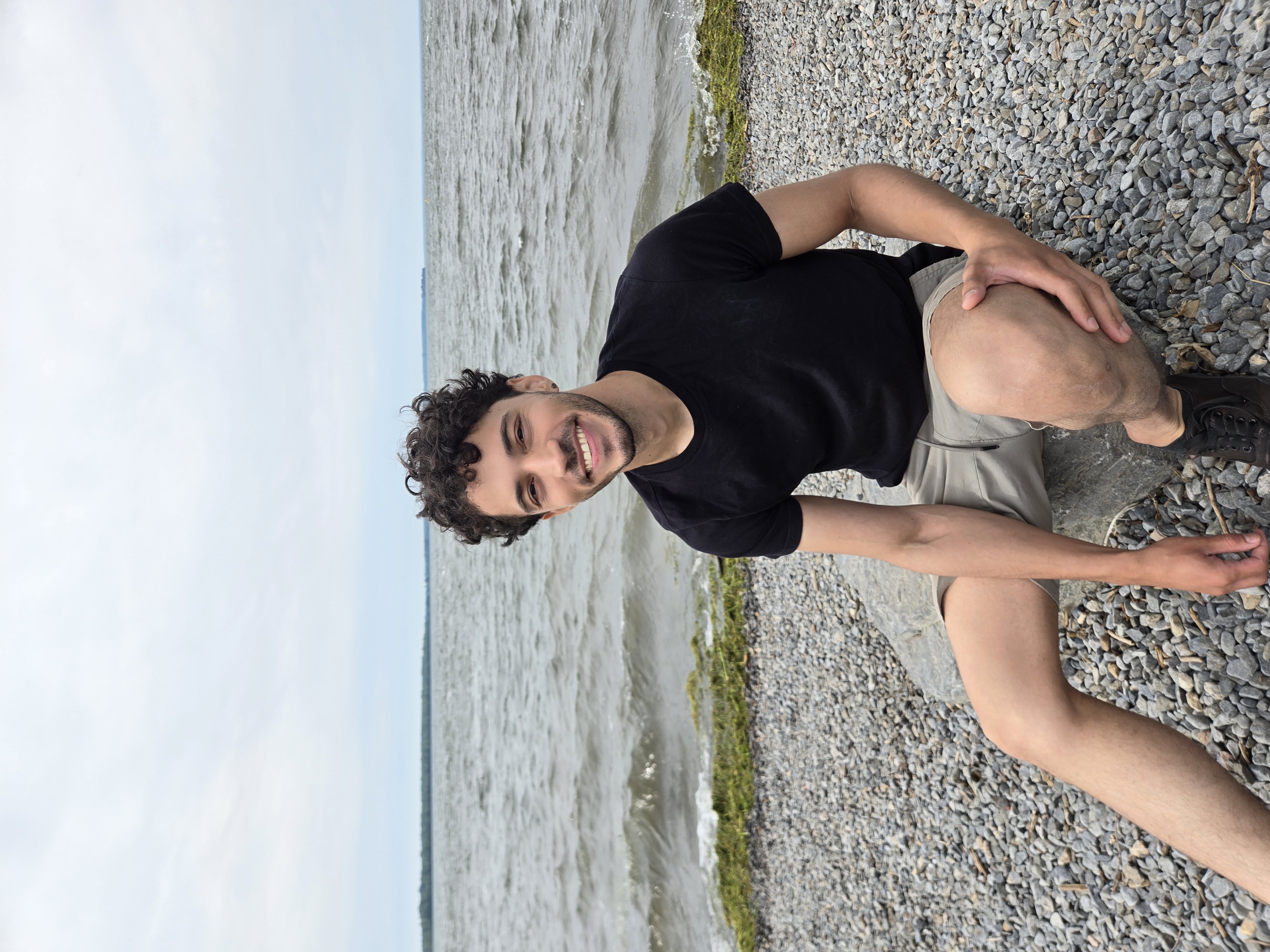
I’m originally from Paes Landim, Piauí, in Brazil’s semi-arid Caatinga biome, where seeing drastic ecological changes first inspired my commitment to work with nature. I hold a Bachelor’s degree in International Relations from Universidade de Brasília and a postgraduate qualification in ESG. My career has taken me from trade and economic policy at the Brazilian Ministry of Foreign Affairs and the British Embassy in Brasília, to nature-based solutions, ESG data, corporate sustainability and biodiversity metrics in the private sector. Most recently, I helped coordinate the global piloting of new state of nature metrics with over 30 companies, supporting sustainability teams as they navigated the practical challenges of measuring nature. Alongside these roles, I served on the steering committee of the Global Youth Biodiversity Network, representing youth in international biodiversity policy, and co-founded Rede Brasileira de Biodiversidade e Clima. I also serve on the board of Parents Engagés pour la Petite Enfance, as parenting my son has reinforced my belief that environmental stewardship also involves raising new generations more consciously. Through the MPhil, I want to build on this experience at the intersection of biodiversity policy, data and corporate sustainability, particularly by looking at how companies can better understand and translate biodiversity data into decisions that account for their dependencies and impacts on nature.
Anastasiia Mazneva, Russia
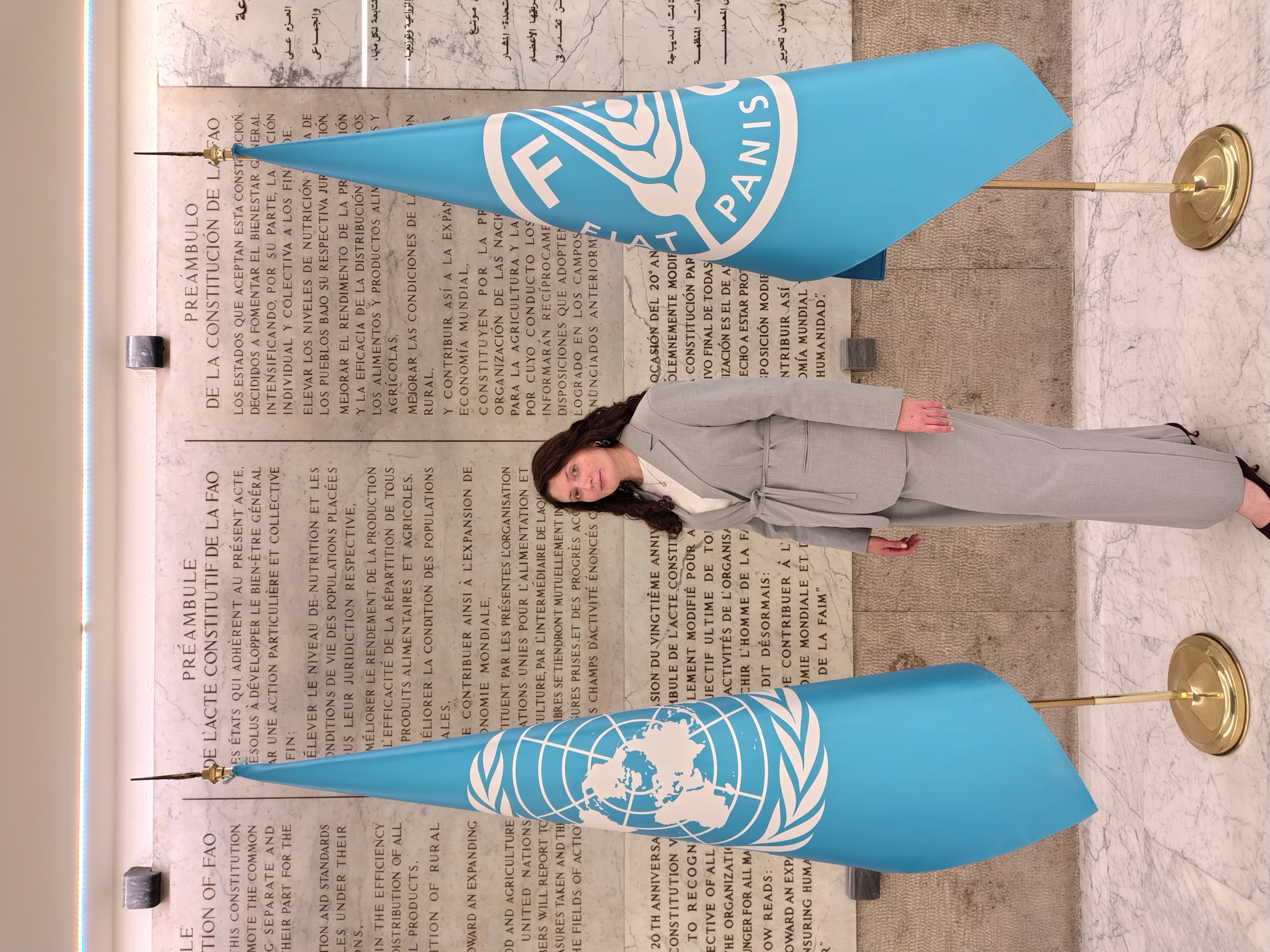
My professional experience in natural resources management and biodiversity conservation began with WWF in Kazakhstan, where I worked as a Climate Change Adaptation and Biodiversity Conservation Projects Coordinator with the World Wildlife Fund (WWF) team in Central Asia for several years and was Small-Grants Manager at the Critical Ecosystems Partnership Fund (CEPF) project in the Mountains of Central Asia biodiversity hotspot in 2023 – 2025. Within the CEPF initiative I helped more than 50 non-governmental and civil society organizations in Kazakhstan, Kyrgyzstan, Uzbekistan, Turkmenistan, and Tajikistan in implementation of grants on forest and landscape restoration. In 2025 I joined the FAO's Forest and Landscape Restoration Mechanism as international consultant supporting implementation of ecosystem restoration in Central Asia. In this MPhil program, I hope to strengthen my leadership and fundraising skills to support ecosystem restoration and biodiversity conservation in the most vulnerable and threatened world areas, including the Aral Sea basin. Also, I plan to develop my creative thinking to be able to find innovative solutions for challenges in nature restoration and conservation.
Junaid Nadeem, Pakistan

I am a wildlife conservation practitioner from Pakistan, with an academic background in zoology and eight years of experience with the Punjab Wildlife & Parks Department, working across wildlife protection, conservation governance and field implementation. My work has shown me that saving species in a country like Pakistan depends as much on strong institutions as on good science. Managing the Department’s development portfolio gave me a deep grounding in public-sector project management and exposed me to the practical challenges of turning conservation ideas into workable government programmes. I have contributed to initiatives ranging from the Punjab Vulture Restoration and Conservation Project and reforms that modernised Punjab’s wildlife protection system, to community-based conservancies, habitat restoration and eco-tourism planning. I am currently leading the establishment of Pakistan’s first state-of-the-art wildlife hospital. What drives me is building conservation systems that work on the ground. Systems that protect wildlife, strengthen institutions and involve the communities who live closest to nature. Through the MPhil in Conservation Leadership, I hope to sharpen my ability to scale such approaches so that conservation in Pakistan becomes a genuine driver of biodiversity recovery and climate resilience.
Sarah-Anne Orphanides, South Africa
My love of the African continent and of nature, and the privilege of working across multiple countries for more than 30 years, has motivated me to find my second career in conservation. Time in the bush has always been my passion, my inspiration and my source of energy while building my corporate career. I have led different organisations across Africa's most dynamic and complex markets — building high-performing, diverse executive teams to accelerate growth while delivering shareholder returns. I have explored most of the game parks in Southern Africa, and this, together with my family's experience of converting a depleted goat farm in the Eastern Cape into a sustainable business, restoring the land, its flora, and its game to its original natural state, has deepened my appreciation for the vital role conservation must play — and the urgency for real leadership to ensure long-term impact. My next chapter is about bringing my business experience to conservation — learning from conservation specialists to make a difference. I currently serve on two Boards, am an executive coach, hold an Honours in Economics and an MBA, and have completed several executive leadership programmes. I am happily married to Nick, and our two daughters, Emily and Jessie, are both currently studying in the UK.
Gabriela Peña Bello, Colombia
Although I grew up in Bogotá, Colombia’s capital, my family made sure I spent as long as possible outdoors. Those trips sparked my love for wildlife and led me to study Biology at the Universidad Nacional de Colombia. During my undergrad, I studied mammals, especially night monkeys, and later broadened my perspective working with the NGO African Bat Conservation in Malawi; these experiences marked my commitment to conservation and ecology. Back in Colombia, I joined the Behavioral Ecology & Conservation research group at the Universidad del Rosario, contributing to research on guinea pigs' behavior, oilbirds, and caves. My passion for bats led me to the MENTOR-Bat Programme with Bat Conservation International and the U.S Fish and Wildlife Service. Together with local communities, we developed a sustainable cave management tool for tourism, using a One Health approach to reduce human-bat interactions while protecting biodiversity. Our work also contributed to Colombia’s public policy for speleological heritage protection. Additionally, I volunteer with the Colombian Bat Conservation Programme, supporting outreach activities. I also enjoy swimming and spending time with my close ones. My goal is to continue developing conservation strategies integrating ecological research, spatial tools, and community participation to protect our biodiversity. I am looking forward to learning about leadership and long-lasting conservation solutions.
Amira Salom, Argentina/Spain
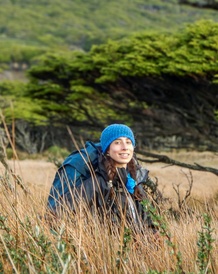
Despite growing up in a big city like Buenos Aires, I've always been drawn to nature. This interest deepened during my adolescence, when I began volunteering at children's environmental camps and travelling to a Pilagá community. These experiences shaped my love for Argentina's people, communities, and biodiversity, ultimately inspiring my path into biocultural conservation. My bachelor's and PhD studies let me explore my country. I studied human-raptor interactions from an ethnobiological perspective in the Northwestern Yungas and evaluated invasive species monitoring tools for a management plan in a remote Subantarctic island. There, I led over ten field campaigns coordinating scientists, rangers and volunteers in one of South America's harshest environments. Over the years, I've contributed to raptor rehabilitation, bird population monitoring, the first traditional dyes workshop with Pilagá women, and regional outreach as a board member of the Southern Cone Chapter of the SCB. I co-founded Lagarto Obrero to explore the science-art interface and its potential to foster dialogue, emotional connection and creative engagement with conservation that honors both people and nature. I'm excited to broaden my skills to integrate social justice, science and art into intercultural, locally grounded conservation strategies connecting NGOs, researchers, Indigenous communities, artists and government agencies.
Rakhee Sharma, India
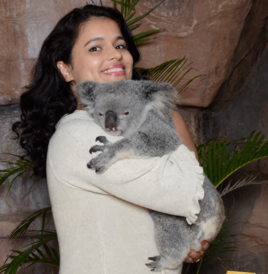
My postgraduate journey has taken me from Environmental Biology and Wildlife Sciences, into Gender Studies, and later into Public Policy Management, bringing together perspectives that shape how I approach conservation and development. One question has come to define my work: how can we protect nature while improving the lives of the people who depend on it? Much of my experience has been rooted in the Bodoland Territorial Region (BTR) of Assam in Northeast India, a region shaped by decades of conflict and complex social, economic and ecological challenges. Working with the Government of BTR, I have focused on community-centred approaches to conservation and development, from strengthening community resilience to Human-Elephant Conflict to developing women-led livelihoods in handloom, sericulture and apiculture. I have also brought together government departments, forest officials, civil society organisations, community leaders and women’s groups to translate policy into action, and worked across public health, social welfare and field research in data-scarce settings. Outside work, I am a self-confessed jack of all trades: an amateur birdwatcher, sky-gazer, cook, potter, painter, embroiderer, occasional babysitter, and enthusiastic collector of hobbies. I want to try my hand at almost everything, if only there were more hours in a day.
Privintiva Teriano Soit, Kenya
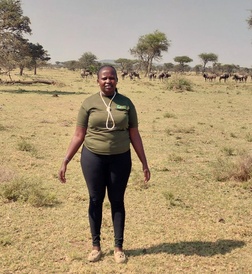
Born and raised in the Maasai Mara, I grew up in one of the world’s most iconic landscapes, where abundant wildlife sparked my early passion for conservation. While pursuing a Bachelor of Laws at the University of Nairobi, I discovered an opportunity to specialize in environmental law at the graduate level, aligning my academic path with my lifelong commitment to protecting nature. For the past seven years, I have served as Human Resource and Administration Manager at Pardamat Conservation Area, overseeing human resources, procurement, and administration. My expertise spans construction projects, policy drafting, procurement systems, and proposal and report writing, making me a versatile and accomplished administrator. Beyond operations, I have contributed to governance training for conservancy boards under the Maasai Mara Wildlife Conservancies Association, strengthening leadership and accountability in community and private conservation initiatives. My ultimate ambition is to ensure the sustainability of conservancies—private lands dedicated to wildlife and shared with livestock in carefully managed patterns, so they endure for generations to come. Guided by empathy, professionalism, and a deep-rooted connection to my environment, I continue to champion inclusive and resilient conservation models.