
In keeping with our commitment to practical leadership exposure, Cambridge Master's in Conservation Leadership students visited the How Hill Trust, a remarkable environmental educational charity in the heart of the Norfolk Broads National Park. This visit offered valuable insights into successful conservation leadership and sustainable management of protected areas in the UK.
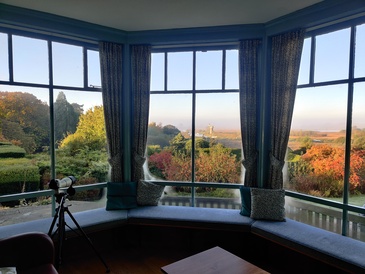 | 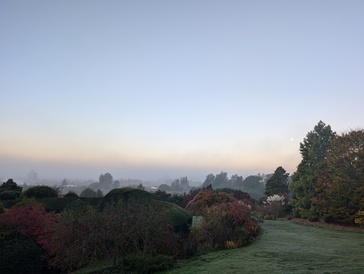 |
Established in 1984, the How Hill Trust exemplifies the delicate balance between conservation, education, and sustainable operation. The Trust, housed in the historic How Hill House, maintains extensive gardens, wetlands, and woodlands alongside the river Ant, serving as both an educational facility and a conservation success story.
The visit brought together key figures, creating a rich dialogue about environmental leadership and management. Simon Partridge, Director of How Hill Trust, shared the site's remarkable journey from a private residence to a thriving environmental education center, while maintaining its historical integrity and environmental significance.
Marie-Pierre Tighe, Director of Strategic Services at the Broads Authority, offered valuable perspectives on the governance and management of the Broads National Park, highlighting the intricate balance between conservation goals, public access, and local community needs. This real-world example of managing competing interests particularly resonated with our international students, many of whom face similar challenges in their home countries.
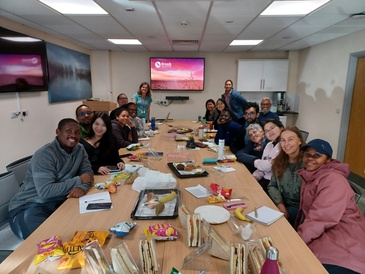
The visit combined theoretical foundations with practical demonstrations of conservation leadership. The Trust's success in maintaining its century-old property while serving thousands of schoolchildren annually showcases both the theoretical principles and practical applications of sustainability. The site serves as a living laboratory where conservation theory meets real-world implementation, demonstrating how historical preservation can coexist with modern educational needs.
A particular highlight was exploring the Trust's historic gardens, which tell a compelling story of conservation through time. As one student reflected: "The house being more than 100 years old and still being in that good condition really resonated with me. It is a true depiction of sustainability in what we love. Children and scholars can still have a chance to enjoy and appreciate nature now and for many years to come at How Hill."
The interaction between mid-career conservation professionals from around the world and UK conservation leaders created rich discussions that brought fresh perspectives to local challenges while offering globally applicable insights.