
The Sansom Conservation Leadership Alumni Fund (SCLA Fund) was established through the generous support of Robert Sansom to enable alumni of the University of Cambridge Master’s in Conservation Leadership to deliver high-impact conservation projects around the world.
Administered by the Master’s in Conservation Leadership team in the Department of Geography, with grants awarded by an independent Selection Panel, the SCLA Fund provides funding for projects that address critical biodiversity conservation challenges and are feasible, locally appropriate, and aligned with the leadership capacity of the applicant.
The 2025–26 SCLA Fund portfolio supports three alumni-led projects across Brazil, India, and Mexico, each demonstrating how conservation leadership can deliver durable, community-centred outcomes.
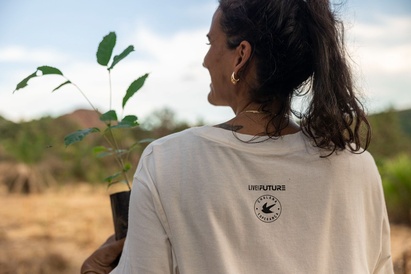
In Brazil’s Pantanal and adjacent Cerrado, an Indigenous-led restoration initiative is expanding a successful network of native plant nurseries and seed banks within Indigenous territories. Led by Luciana Leite (MPhil 2013–14), a Brazilian conservation biologist and founder of the women-led collective Chalana Esperança, the project brings together ancestral ecological knowledge and scientific restoration practices to restore degraded landscapes, safeguard water sources, and strengthen Indigenous stewardship.
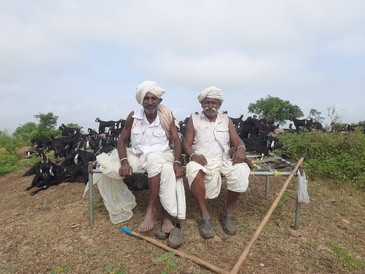
In Gujarat, India, a three-year, a pastoralist-led grassland governance programme will restore 100 hectares of semi-arid grasslands affected by invasive species. The project is co-led by Aditi Patil (MPhil 2022–23), Co-Founding Director of Conservation indica, andSandeep Sharma (MPhil 2022–23), Conservator of Forests with the Himachal Pradesh Forest Department, supported by an interdisciplinary alumni team with expertise spanning grassland ecology, governance, and conservation finance. Together, they are revitalising Biodiversity Management Committees, restoring native savanna systems, and generating evidence to inform wider grassland policy and practice.
In Mexico’s Calakmul region, a coexistence-focused initiative supports beekeeping communities facing climate-driven human–wildlife conflict. Led by Mariam Weston Flores (MPhil 2021–22) of the IUCN Human–Wildlife Conflict and Coexistence Specialist Group and founder of the Ocelot Working Group, and working closely with alumni partners experienced in participatory research, governance, and nature-based livelihoods, the project scales practical mitigation measures while strengthening national capacity for holistic, coexistence-oriented conservation.
Together, these projects reflect the core ambition of the SCLA Fund: to support alumni leaders who combine technical rigour with inclusive leadership and a commitment to long-term, locally led change. We look forward to following their progress and sharing lessons from the 2025–26 portfolio with the wider conservation community.